
Home Assistant 2026.3: Community-Powered Polish With Some Genuinely Exciting New Tricks
After the headline-grabbing 2026.2 release, this month’s update takes a different — and arguably just as satisfying — approach. Home Assistant 2026.3 is a clean sweep: a release dedicated to reviewing and merging community contributions, squashing bugs, and pushing integrations up the quality scale. If you’ve ever wondered what an open-source smart home platform looks like firing on all cylinders, this is it.
Send Your Robot Vacuum to Clean Specific Rooms — By Name
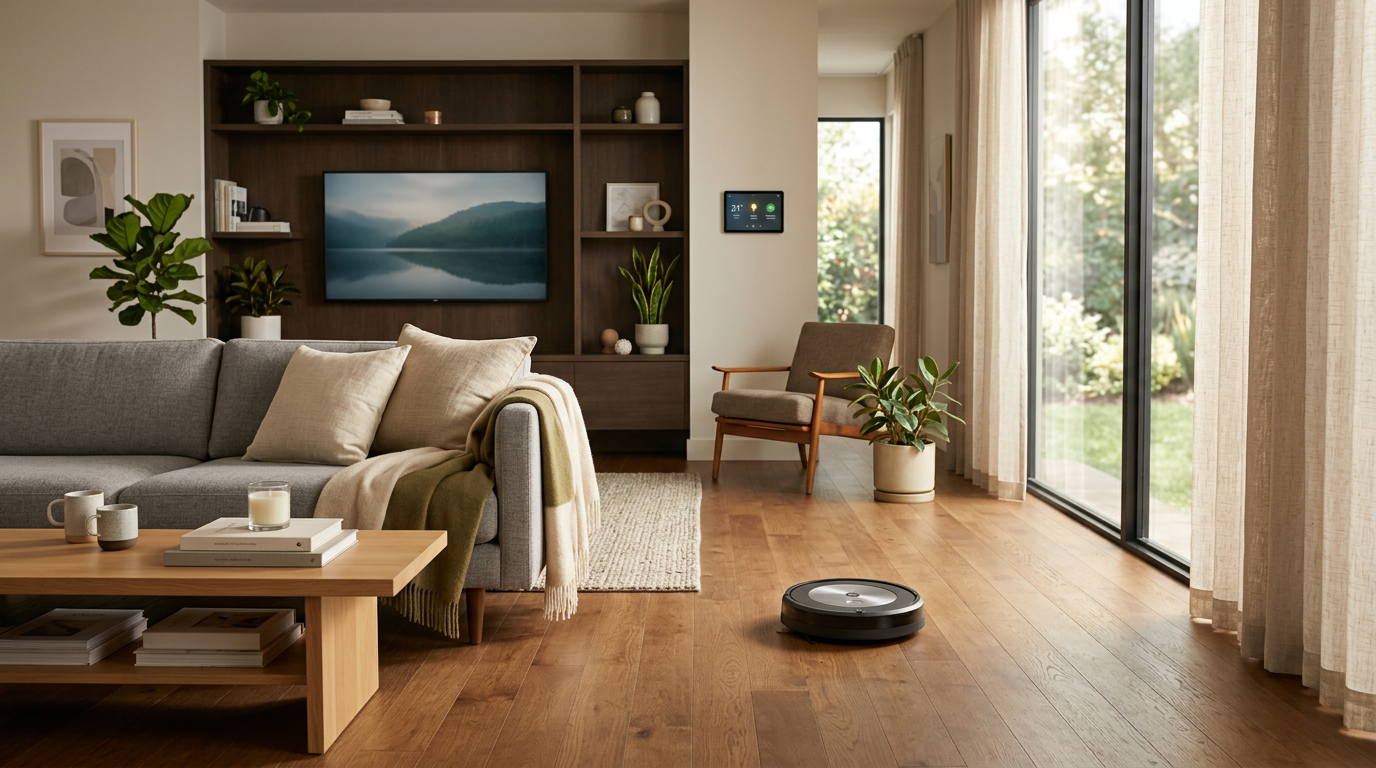
The headline feature this month is one vacuum owners have wanted for a long time. You can now use the new clean area action to send your robot vacuum to clean specific rooms on demand — and crucially, it uses your existing Home Assistant areas, not obscure vendor-specific room IDs. If you’ve already named your rooms in Home Assistant, you’re most of the way there.
Setup is straightforward: open the vacuum entity, tap the settings icon, and look for the Map vacuum segments to areas section. From there you match the segments your vacuum has detected to your Home Assistant areas. Currently supported vacuums include Matter, Ecovacs, and Roborock devices. If your vacuum remaps its environment and the segments change, Home Assistant will raise a repair issue automatically so you know to update your mapping — a thoughtful touch that saves you from silent mismatches.
Even better: because the action ties into native Home Assistant areas, the groundwork is now in place for voice control. Saying “clean the kitchen” isn’t supported quite yet, but the foundation is built. That’s genuinely exciting for where this feature is heading.
Continue on Error — Finally in the Visual Automation Editor
This one is personal for the team, and honestly it should be for anyone who builds automations. The Continue on error option has existed in YAML for years, but it’s now landed in the visual automation editor, making it accessible to everyone. You can now tell an automation to keep running even if one action fails — no YAML required. For complex automations where a single failed step was causing the whole sequence to bail out, this is a genuinely meaningful quality-of-life improvement.
Energy Dashboard Gets Smarter and Cleaner
The Energy dashboard saw a solid round of improvements. The Now view gains real-time badges showing power consumption, gas flow rate, and water flow rate at a glance. Water also gets its own Sankey chart in the Now view — the same visual breakdown that electricity users have had, now extended to water usage across your home.
On the naming side, the second dashboard tab has been renamed from Energy to Electricity, which clears up the ambiguity of a tab called “Energy” inside an “Energy dashboard.” The configuration page is now split into three tabs — Electricity, Gas, and Water — making it much easier to manage your sources. And energy bar chart tooltips now include the day of the week, a small but genuinely useful addition when you’re trying to spot weekly usage patterns.
Wake Word Detection on Android — Experimental But Promising
Experimental wake word detection has arrived for Android phones. This is early days, but for the community building out local voice control, it’s another step toward a fully offline, always-listening assistant on hardware you already own. Worth keeping an eye on as it matures.
Under the Hood: Python 3.14 and Integration Quality Gains
2026.3 runs on Python 3.14, a significant runtime update that brings performance and security improvements to the platform. Alongside that, a healthy number of integrations have climbed the integration quality scale this release — meaning better reliability, better config flows, and better long-term support. This is the kind of foundational work that doesn’t always get headlines but makes a real difference in day-to-day stability.
New Integrations and Noteworthy Fixes
As with any community-focused release, 2026.3 brings a wave of new integrations and improvements to existing ones, plus a large number of bug fixes. If you’ve been living with a quirky integration or a reproducible bug, there’s a good chance this release addresses it. Check the full changelog for specifics on your integrations.
Mark Your Calendar
If you’re in or near Europe, State of the Open Home 2026 is happening on April 8 in Utrecht, the Netherlands. Tickets are limited — worth grabbing now if you want to be in the room for what’s shaping up to be a big moment for the open home community.